Rats and mice are not a problem that resolves itself. They breed in 3 weeks, damage wiring, contaminate food, and spread disease. Parker Pest Pro eliminates the infestation completely — then seals every entry point so they never come back. Licensed. Local. Guaranteed.
Rodents are nocturnal and deliberately avoid humans — which means most homeowners across Lakeport, Ukiah, and Windsor don't see an actual rat or mouse until the infestation is well established. These are the signs to look for.
Small, dark droppings near food sources, along walls, in cabinets, and under sinks are the most definitive sign of rodent activity. Fresh droppings are dark and soft. A single rat can produce 40–50 droppings per day — the volume tells you the severity.
Scratching, gnawing, and scurrying sounds in walls, ceilings, and sub-floor areas — typically between dusk and dawn — are a near-certain indicator. Roof rats favour ceiling voids. Norway rats tend to stay at ground level and in sub-floor areas and basements.
Rodents gnaw constantly to keep their teeth from growing too long. Look for marks on wood framing, plastic pipe, food packaging, and especially electrical wiring — chewed wiring is one of the leading causes of house fires, and rodent damage is the most common culprit.
Mice and rats build nests from shredded paper, insulation, fabric, and plant material — typically in dark, quiet corners of attics, sub-floor areas, wall voids, and behind appliances. Finding a nest means an established colony with multiple individuals, not a single stray rodent.
Rodents travel the same routes repeatedly, leaving dark grease smears from their fur along walls, baseboards, and beams. These runways are most visible along exterior walls and in sub-floor areas, and they help our technicians trace the infestation back to its source.
Every week a rodent infestation goes untreated, the damage grows — structurally, financially, and to your family's health. This is what's actually at stake.
Rodents gnaw through electrical wiring to keep their teeth trimmed — a behaviour they cannot stop. Chewed wiring causes short circuits and is responsible for an estimated 20–25% of house fires of unknown origin in the United States. In older rural homes throughout Lake and Mendocino Counties, this risk is particularly acute.
Rats and mice carry hantavirus, leptospirosis, salmonella, and over 35 other diseases — spread through droppings, urine, and direct contact. Hantavirus has been documented in rodents throughout Northern California. A single contaminated food surface is enough to cause serious illness. Droppings continue to be hazardous even after rodents are gone — professional cleanup is essential.
Rats and mice gnaw through wood framing, insulation, plastic piping, and even concrete foundations. They nest inside walls and ceilings, compressing and soiling insulation. A roof rat colony in an attic can destroy R-30 insulation completely within two seasons — costing thousands in remediation on top of pest removal. The sooner it's addressed, the lower the total cost.
Different rodent species require different treatment approaches. Our technicians identify the species first — then select the right method. Using the wrong strategy on the wrong rodent wastes time and money.
The Norway rat is the most common rodent problem we handle across Lake and Mendocino Counties. They are ground-dwellers — burrowing under foundations, in sub-floor areas, and along waterways including Clear Lake and the Russian River. Heavy, aggressive, and prolific breeders.
House mice are the most adaptable rodent — found in rural Willits farmhouses and Windsor suburban kitchens alike. They squeeze through gaps as small as a dime, reproduce every 3 weeks, and a single pair can become 200 mice in four months. They contaminate food far more than they consume it.
Roof rats are agile climbers that nest in attics, ceiling voids, palm trees, and dense vegetation — common throughout Fort Bragg, Windsor, Healdsburg, and coastal Mendocino areas. They enter through rooflines, vents, and gaps where utilities penetrate walls. Their damage to attic insulation is extreme.
Most pest control companies trap and bait. We go further — sealing the entry points that allowed rodents in, so the problem cannot recur. That is the Parker Pest Pro difference.
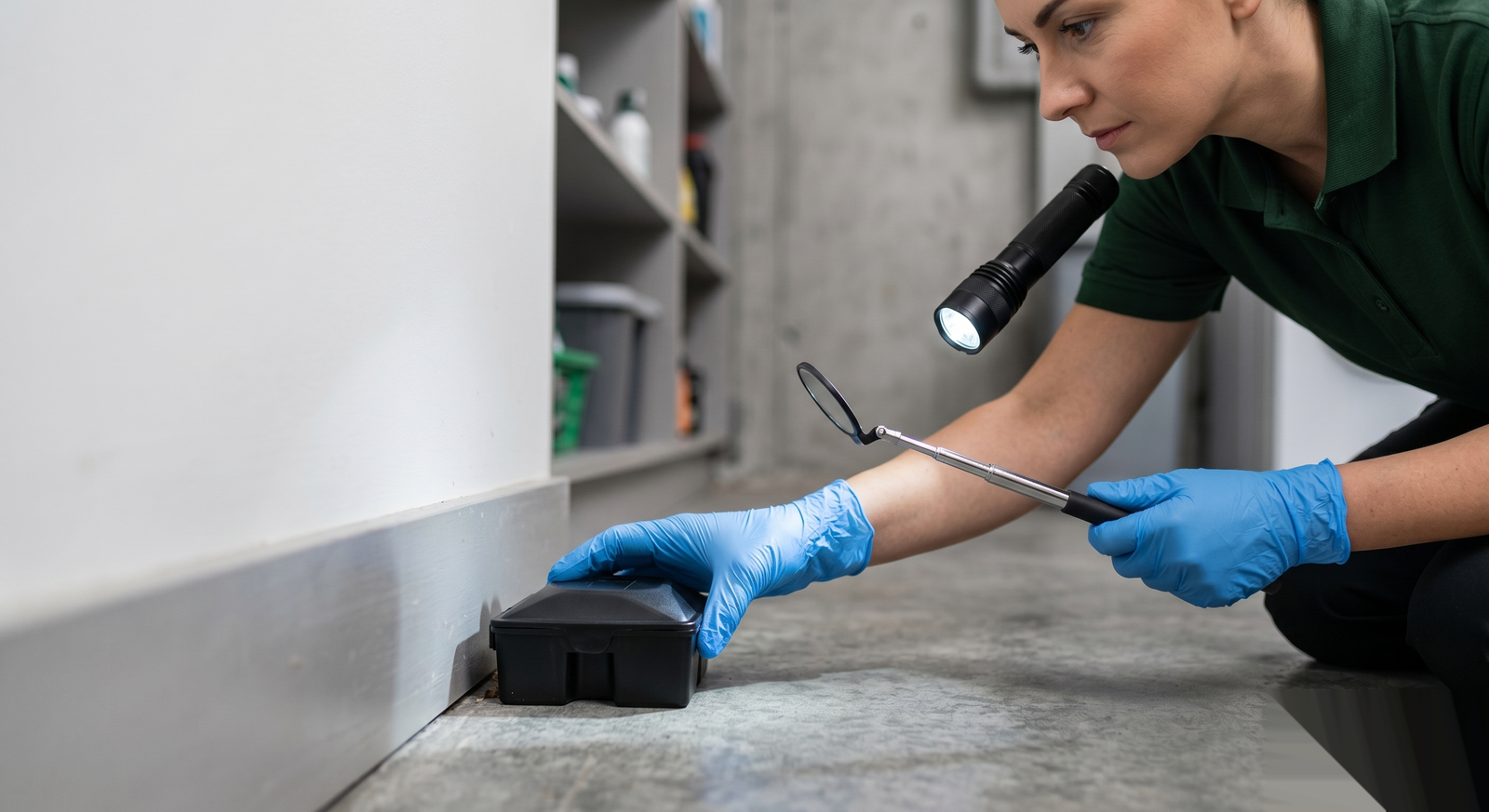
We inspect every potential entry point, runway, burrow, and harborage area — inside, outside, sub-floor area, attic, and garage. We identify the species, the severity, and exactly how they're getting in before recommending anything.
Your technician explains what they found in plain language, identifies all entry points, and presents a clear treatment plan. You approve everything before we start. No surprises, no pressure.
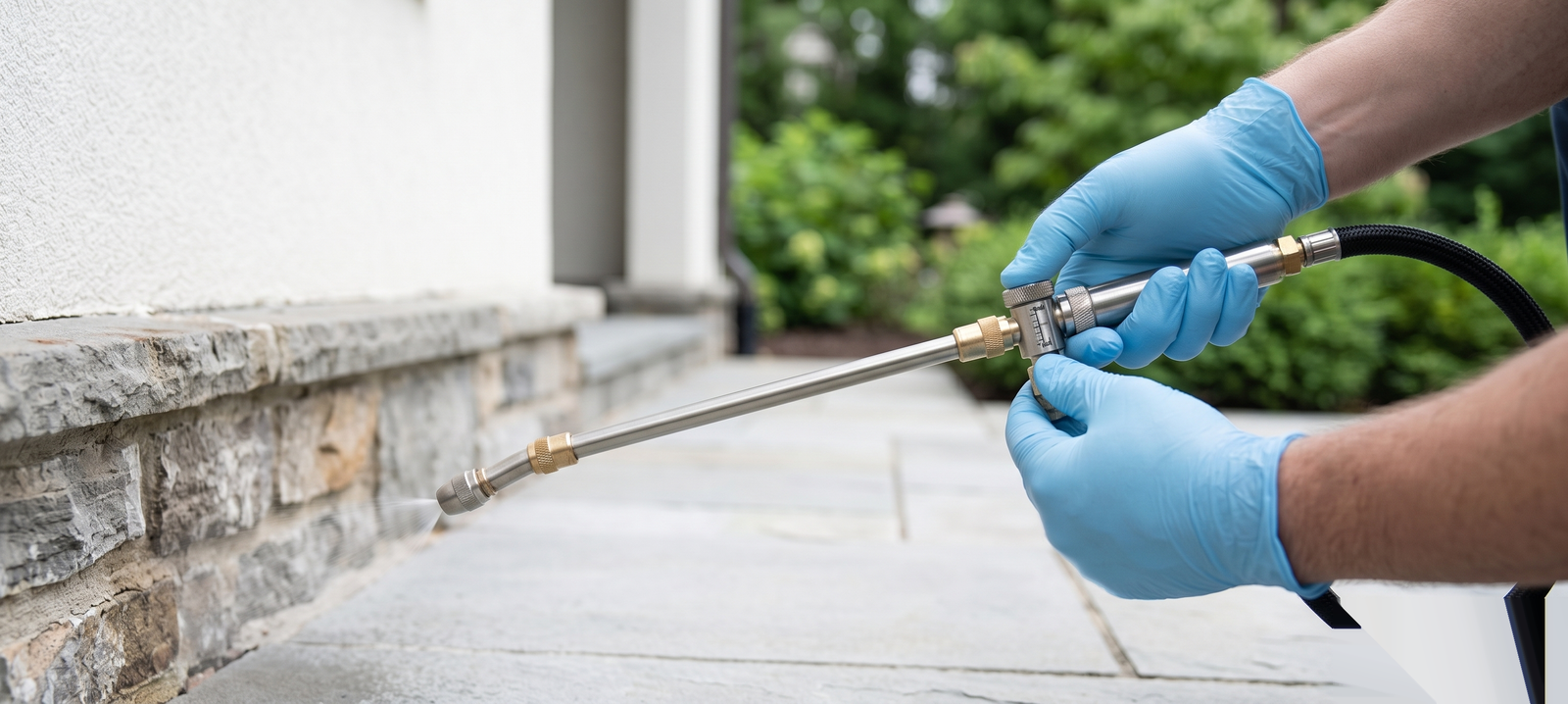
We use species-appropriate trapping and baiting methods — placed in precise locations based on runway and harborage findings, not guesswork. Eco-safe bait stations where appropriate, tamper-resistant and pet-safe.
Every identified entry point is sealed — gaps in foundations, pipe penetrations, vent openings, roofline gaps, and utility access points. We use appropriate materials: steel wool, hardware cloth, concrete, and expanding foam based on the location.
We return to check trap activity, confirm removal is complete, and verify entry-point sealing integrity. If rodents return between visits, we come back at no additional charge. Our no-return guarantee is included on every service.
Most pest companies bait and trap — and the problem is back in 6 weeks because the entry points are still open. Our entry-point sealing service finds and seals every gap, crack, and opening rodents use to enter your home. It's the only method that actually works long-term.
We systematically inspect the full perimeter — foundation, roofline, utility penetrations, vents, and garage gaps. A Norway rat only needs a 20mm opening. A mouse needs 6mm. We find them all.
We use hardware cloth, galvanised steel mesh, concrete mortar, and professional-grade sealant — materials rodents cannot chew through. Store-bought foam sealant alone is not a rodent barrier — rats chew through it in minutes.
After sealing, we re-inspect every point to verify proper closure. We then document the work and provide you with a report showing what was sealed and where — so you have a record for future reference or sale of the property.
Our guarantee isn't just words — it's backed by the entry-point sealing work itself. If rodents return after our entry-point sealing service, we find the point of re-entry and re-seal it at no charge. Every time.
Understanding when and why rodent pressure peaks in Lake, Mendocino, and Sonoma Counties helps us time your treatment and prevention plan for maximum effectiveness.
We don't just trap — we seal. Our entry-point sealing service identifies and closes every entry point rodents use, using professional-grade materials they cannot chew through. This is what separates a lasting solution from a temporary fix that fails in six weeks.
Our technicians in Lakeport, Windsor, Ukiah, and Fort Bragg know the specific rodent pressure patterns in your neighbourhood — Clear Lake's Norway rat waterway colonies, roof rats in Windsor's canopy trees, rural field mice around Willits and Boonville. Local knowledge matters.
Rodent problems compound quickly — every day of delay means more breeding, more damage, and more contamination. With four offices across the region, we can have a technician at your property the Fast response in most cases. Call us before noon and we respond that afternoon.
Our rodent control methods are designed to be effective without endangering the raptors, owls, and other wildlife that are part of Northern California's ecosystem. We use tamper-resistant bait stations that prevent secondary poisoning of predator species and are safe around pets.
If rodents return after our entry-point sealing and removal service, we come back — at no additional charge. Our guarantee is backed by the quality of our entry-point sealing work, not just words. Most of our rodent clients never call us for the same problem twice.
Before we start, we show you every entry point we've found, explain what we're doing and why, and provide a written report after completion. You know exactly what was done to your property — no vague "we sprayed some stuff" explanations.
4 offices. 3 counties. Every city below has a locally-based Parker Pest Pro technician who knows the specific rodent species and pressure patterns in your neighbourhood.
Rat droppings are about the size of a raisin — dark, cylindrical, and tapered at one end. Mouse droppings are much smaller — roughly the size of a grain of rice. Rats also leave grease trails along walls and produce larger gnaw marks. Our technicians identify the species during the inspection, which determines the treatment approach.
Trapping alone is a temporary solution. Once the rodents inside are removed, new ones will enter through the same access points — sometimes within days. Entry-Point Sealing seals those entry points permanently. We strongly recommend combining removal with entry-point sealing for any lasting result. It's the only method that actually stops the cycle.
Yes — extremely. A house mouse reaches sexual maturity in 6 weeks and has litters of 6–12 every 19–21 days. A single pair can theoretically produce over 1,000 descendants in one year under favourable conditions. A Norway rat colony doubles roughly every 3 months. Every week of delay means a significantly larger and more costly infestation.
The tamper-resistant bait stations we use are designed to prevent access by anything other than rodents. They are locked and secured to walls or surfaces. That said, we carefully discuss placement with you during the inspection and always avoid areas with easy pet or child access. We also offer snap trap and non-bait removal options.
The initial inspection and first treatment visit typically takes 1–2 hours depending on the size of your property and severity of the infestation. Entry-Point Sealing work can take an additional 2–4 hours for a standard home. Follow-up visits to check traps and confirm clearance are typically 30–45 minutes. We provide a timeline during the inspection.
Yes — significantly. Norway rats in sub-floor areas gnaw through wood joists, plastic plumbing, and electrical conduit. They shred vapour barriers and insulation for nesting material. In older homes throughout Lake and Mendocino Counties, we regularly find sub-floor area damage worth tens of thousands in remediation costs — most of which could have been prevented with early treatment.
Common entry points include: gaps around plumbing and utility penetrations through walls, damaged or missing vent screens, gaps under garage doors, cracks in foundation concrete, roofline gaps and missing fascia boards, and gaps around HVAC equipment. Roof rats commonly enter via overhanging tree branches that provide roof access. Our entry-point sealing inspection finds every one.
Yes. We serve rural residential properties, farm outbuildings, and agricultural land across Willits, Redwood Valley, Boonville, Kelseyville, and all rural areas within our service zones. Field rodent pressure on agricultural land requires specific approaches — our technicians have extensive experience with farm and rural property treatment.
Prompt scheduling and fast service available across all four offices. A locally-based technician will inspect your property, identify every entry point, and give you a clear plan before treating anything.
Every rodent control service includes our no-return guarantee. If rodents come back between visits, we return at no charge — every time, across all 18 communities we serve.